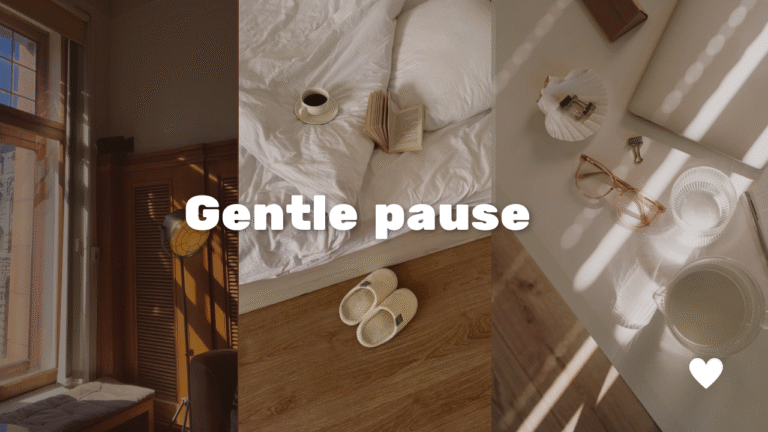
In our productivity-obsessed world, doing nothing feels almost rebellious. We’re constantly told to hustle harder, optimize our time, and maximize every moment. But what if I told you that deliberately doing nothing might be one of the healthiest things you can do for your mind and body?
What Does "Doing Nothing" Really Mean?
Before we dive into the benefits, let’s clarify what we mean by “doing nothing.” This isn’t about scrolling through social media or binge-watching TV shows. True idleness means:
• Sitting quietly without stimulation
• Letting your mind wander freely
• Daydreaming without guilt
• Simply being present without a task or goal
It’s the art of allowing yourself to exist without productivity metrics attached.
The Science Behind Strategic Idleness
1. Your Brain Needs Downtime to Process Information
When you’re doing nothing, your brain is actually incredibly busy. The Default Mode Network (DMN) activates during rest, helping you:
• Consolidate memories and learning
• Process emotions and experiences
• Make connections between seemingly unrelated ideas
• Develop self-awareness and introspection
Think of it as your brain’s filing system organizing everything you’ve experienced throughout the day.
2. Stress Reduction and Cortisol Regulation
Constant activity keeps your stress hormones elevated. When you truly rest:
• Cortisol levels drop naturally
• Your parasympathetic nervous system (rest-and-digest mode) activates
• Blood pressure decreases
• Heart rate variability improves
Studies show that people who regularly practice doing nothing have lower baseline stress levels than those who constantly stay busy.
3. Enhanced Creativity and Problem-Solving
Ever notice how your best ideas come in the shower or during a walk? That’s not coincidental. When you stop actively trying to solve problems:
• Your subconscious mind continues working
• Novel connections form between ideas
• Creative insights emerge naturally
• You gain fresh perspectives on challenges
Many breakthrough innovations throughout history came during moments of apparent idleness.
4. Improved Mental Health
The constant pressure to be productive takes a serious toll on mental wellbeing. Regular periods of doing nothing help:
• Reduce symptoms of anxiety and depression
• Prevent burnout
• Improve emotional regulation
• Build resilience against stress
It’s like pressing the reset button on your mental state.
5. Better Physical Health
The mind-body connection means that mental rest translates to physical benefits:
• Improved immune function
• Better digestion (your gut needs calm to work properly)
• Reduced inflammation
• Enhanced sleep quality
• Lower risk of stress-related illnesses
The Productivity Paradox
Here’s the ironic twist: doing nothing actually makes you more productive when you do work. After genuine rest:
• Focus and concentration improve
• Decision-making becomes sharper
• Energy levels rebound
• Motivation returns naturally
It’s not wasted time, it’s an investment in better performance.
How to Practice Doing Nothing
If you’re used to constant busyness, doing nothing can feel uncomfortable at first. Here’s how to start:
Start Small: Begin with just 5 minutes of sitting quietly. Gradually increase as it becomes more comfortable.
Create a Nothing Space: Find a spot where you won’t be interrupted. It could be a corner of your home, a park bench, or anywhere you feel calm.
Let Go of Guilt: Remind yourself that rest is productive. Your worth isn’t measured by constant output.
Be Patient with Discomfort: Your mind might race at first. That’s normal. Don’t fight it, just observe.
Schedule It: Paradoxically, you might need to plan time for spontaneity until it becomes a habit.
Cultural Perspectives on Rest
Different cultures have embraced the art of doing nothing:
• Niksen (Dutch): The practice of consciously doing nothing without purpose
• Dolce far niente (Italian): The sweetness of doing nothing
• Hygge (Danish): Creating cozy moments of contentment and rest
Perhaps these cultures are onto something about the importance of unstructured time.
When Doing Nothing Becomes Essential
Pay attention to these signs that you desperately need to do nothing:
• Constant mental fog or inability to concentrate
• Physical exhaustion that sleep doesn’t fix
• Irritability or emotional volatility
• Feeling overwhelmed by simple tasks
• Loss of joy in activities you usually enjoy
These are red flags that your system needs genuine rest, not just more sleep.
The Bottom Line
In a world that glorifies busyness, choosing to do nothing is a radical act of selfcare. It’s not laziness, it’s essential maintenance for your mental, emotional, and physical health.
Your brain evolved to have periods of activity and rest. By honoring this natural rhythm, you’re not falling behind; you’re setting yourself up for sustainable wellbeing and, ironically, greater long-term success.
So go ahead, sit down, do nothing, and know that you’re doing something profoundly healthy for yourself. Your mind and body will thank you.
Remember: In the race of life, sometimes the most powerful thing you can do is stop running.