Walk into any pharmacy or scroll through wellness Instagram, and you’ll be bombarded with colorful bottles promising to fill your nutritional gaps, boost your energy, and optimize your health. But here’s the million-dollar question: do women actually need multivitamins, or are we just creating expensive urine?
Let’s cut through the marketing hype and examine what science actually says about multivitamins for women.
The Multivitamin Industry's Big Promise
The supplement industry has convinced many of us that even with our best dietary efforts, we’re somehow deficient. Multivitamins are marketed as nutritional insurance, a simple daily pill that covers all your bases. It’s an appealing concept, especially for busy women juggling careers, families, and trying to maintain some semblance of self-care.
But appealing doesn’t always mean necessary.
What the Research Actually Shows
Here’s where things get interesting. Large-scale studies on multivitamins have produced surprisingly underwhelming results for the general population. Research has consistently shown that for most healthy adults eating a reasonably balanced diet, multivitamins don’t significantly reduce the risk of heart disease, cancer, or cognitive decline.
The truth is that your body absorbs and utilizes nutrients from whole foods far more effectively than from synthetic supplements. When you eat an orange, you’re not just getting vitamin C, you’re getting fiber, antioxidants, and a complex matrix of compounds that work synergistically. A pill can’t replicate that.
When Women Actually Need Multivitamins
That said, there are specific life stages and circumstances where supplementation becomes genuinely important:
Pregnancy and trying to conceive: This is non-negotiable. Folic acid (folate) is crucial for preventing neural tube defects, and most women need supplementation to reach the recommended 400-800 mcg daily. Prenatal vitamins also typically include iron and other nutrients needed for fetal development.
Women with heavy menstrual periods: Significant blood loss each month can lead to iron deficiency anemia. If you’re experiencing fatigue, weakness, or pale skin, it’s worth getting your iron levels checked.
Vegans and strict vegetarians: Vitamin B12 is found almost exclusively in animal products, making supplementation essential for those following plant-based diets. You may also need to consider iron, zinc, and omega-3s.
Women over 50: As you age, your ability to absorb certain nutrients decreases. Vitamin B12 absorption declines, and vitamin D becomes increasingly important for bone health, especially post-menopause.
Those with restricted diets or malabsorption issues: Whether due to food allergies, eating disorders, digestive conditions, or bariatric surgery, some women genuinely can’t get adequate nutrition from food alone.
The Nutrients Women Should Actually Pay Attention To
Instead of a shotgun approach with multivitamins, consider these key nutrients:
Vitamin D: Most people, regardless of diet, are deficient in vitamin D, especially those in northern climates or with darker skin. This vitamin is crucial for bone health, immune function, and mood regulation.
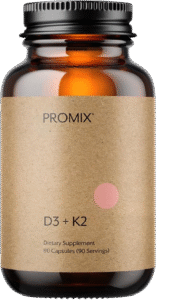
Promix Nutrition
Vitamin D3 K2 5000iu supplement
supports strong bones, a healthy heart, and better calcium absorption ,ideal for daily immune and bone health.
Iron: Many women of childbearing age are low in iron, but too much can be harmful. Get tested before supplementing.
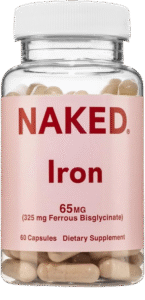
NAKED
Iron suppliment
boosts energy and supports healthy red blood cells with gentle, easy-to-absorb iron and added vitamin C.
Calcium: Important for bone health, but most women can get adequate amounts through dairy, leafy greens, and fortified foods.
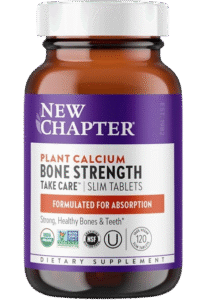
NEW CHAPTER
Calcium suppliment
strengthens bones and supports joint health with plant-based calcium, magnesium, and vitamin D3 for better absorption.
Omega-3 fatty acids: Particularly important if you don’t eat fatty fish regularly. These support heart and brain health.
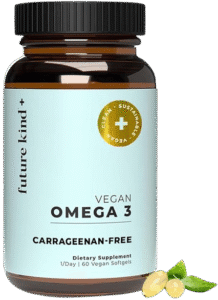
FUTURE KIND
Vegan Omega 3 suppliment
supports brain, heart, and eye health with plant-based DHA and EPA , perfect for a clean, sustainable boost.
Folate: Essential for women of childbearing age, even if you’re not actively trying to conceive.
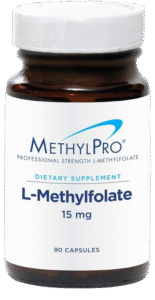
METHYLPRO
Folate suppliment
supports mood, energy, and focus with bioactive folate for better absorption and brain health.
The Potential Downsides
Multivitamins aren’t harmless “just in case” insurance. Here’s why:
You can overdo it: Fat-soluble vitamins (A, D, E, K) accumulate in your body and can reach toxic levels. Some studies have even linked high-dose vitamin E supplementation with increased mortality risk.
They create a false sense of security: Popping a multivitamin might make you feel like you’ve checked the health box for the day, potentially leading to poorer food choices.
They’re expensive: That money might be better spent on nutrient-dense whole foods.
Quality concerns: The supplement industry isn’t tightly regulated. What’s on the label isn’t always what’s in the bottle.
So What Should You Do?
For most healthy women eating a varied diet with plenty of fruits, vegetables, whole grains, lean proteins, and healthy fats, a daily multivitamin probably isn’t necessary. Your money and energy are better invested in improving your actual diet.
However, if you fall into one of the specific categories mentioned above, targeted supplementation makes sense. The key word here is “targeted”, address your actual deficiencies rather than taking everything just in case.
Start with these steps:
- Get tested: Ask your doctor for bloodwork to check your levels of vitamin D, B12, iron, and other nutrients if you’re concerned. This gives you actual data rather than guessing.
- Assess your diet honestly: Are you eating a variety of colorful vegetables, adequate protein, and whole foods most days? Or is your diet heavily processed and limited?
- Consider your life stage: Are you pregnant, planning pregnancy, perimenopausal, or dealing with heavy periods?
- Choose quality if you do supplement: Look for third-party tested brands (USP, NSF, or ConsumerLab certification) to ensure you’re getting what you pay for.
- Focus on food first: A supplement should supplement, not replace, a healthy diet. No pill can compensate for consistently poor eating habits.
The Bottom Line
The truth about multivitamins isn’t sexy or simple: they’re neither miracle workers nor completely useless. For most women, they’re simply unnecessary if you’re eating well. But for women with specific needs, pregnancy, restrictive diets, certain medical conditions, or documented deficiencies, targeted supplementation can be genuinely important.
Instead of reflexively reaching for a multivitamin, invest your resources in building a foundation of whole, nutrient-dense foods. And if you do have concerns about your nutritional status, talk to your doctor or a registered dietitian who can provide personalized guidance based on your individual circumstances.
Your health deserves better than a one-size-fits-all approach in a colorful bottle.
Disclaimer: This article is for informational purposes only and should not replace professional medical advice. Always consult with your healthcare provider before starting or stopping any supplement regimen.